The Art of Interior Demolition: Changing Spaces
The art of indoor demolition is a careful process that requires mindful preparation, accurate implementation, and innovative vision. Worldwide of style and building and construction, changing areas commonly begins with the removal of existing elements and frameworks. This publication, "The Art of Interior Demolition: Transforming Areas," explores the details and techniques entailed in this crucial facet of restoration. From the value of thorough preparation to the option and application of the right tools, this comprehensive overview supplies beneficial understandings right into the world of interior demolition. Step-by-step guidelines, gone along with by brilliant pictures, supply a thorough understanding of the process, while highlighting the obstacles and barriers that may develop. Inevitably, the objective is to develop a blank canvas, prepared for the application of cutting-edge style ideas that rejuvenate every room.
The Value of Preparation
The meticulous preparation of an indoor demolition task is critical for guaranteeing its success and minimizing potential risks. Prior to any kind of physical work begins, a complete plan needs to be created that takes into consideration different factors such as the extent of the project, the preferred result, and any type of security factors to consider.
Primarily, the planning phase permits a clear understanding of the job's purposes. This includes identifying which locations or aspects of the indoor area need to be knocked down and determining the wanted end outcome. By establishing specific goals and goals, the preparation process assists to develop a clear course ahead and makes certain that all stakeholders get on the very same page.
Additionally, mindful preparation assists to lessen potential risks and threats associated with indoor demolition. It allows for the recognition of any type of potential architectural issues, dangerous materials, or energy lines that might exist within the room. By evaluating these risks beforehand, suitable measures can be established to alleviate them, guaranteeing the security of the employees and the surrounding atmosphere.
In addition, planning likewise aids to improve the project timeline and budget plan. By very carefully considering aspects such as manpower, devices, and materials needed, an exact quote of the task's expense and period can be identified. This enables reliable resource allowance and reliable implementation of the demolition procedure.
Tools of the Profession
Reliable execution of an indoor demolition job depends greatly on the usage of customized equipment and devices. These devices are designed to make sure effectiveness, safety, and accuracy throughout the demolition process. One of the most generally used tools in indoor demolition is the reciprocating saw. This flexible device allows workers to cut with numerous materials such as steel, timber, and plastic. It is especially useful for getting rid of dividings, wall surfaces, and components. One more vital tool is the jackhammer, which is used to break up concrete and other difficult surface areas. It gives the essential power to rapidly and effectively damage through strong frameworks. Furthermore, tear bars and crowbars are essential for prying apart products, getting rid of nails, and dismantling components. These tools supply utilize and strength to safely and efficiently eliminate elements without triggering damage to bordering frameworks. To secure employees from dirt and debris, respirators and safety goggles are also important. These personal safety tools things guarantee the safety and security and well-being of employees throughout the demolition procedure. In general, the utilization of specialized devices and devices is essential for the effective and reliable implementation of interior demolition tasks.
Step-by-Step Demolition Refine
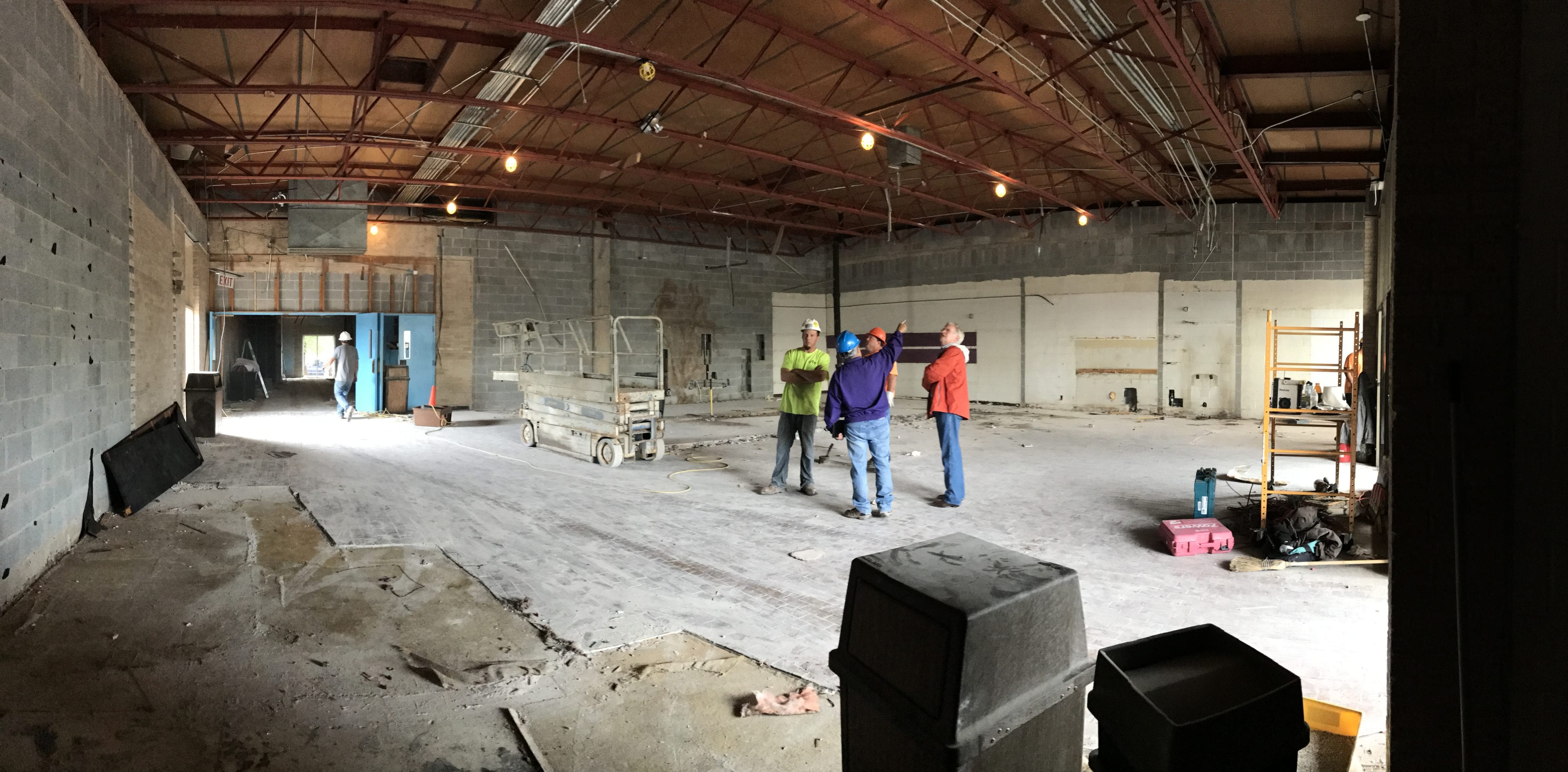
When the analysis is complete, an in-depth plan of action should be established. This strategy should detail the sequence of demolition jobs, including the order in which various areas or aspects of the area will be destroyed. It ought to additionally consist of a timeline for each phase of the demolition procedure and any type of needed permits or approvals that require to be obtained.
After the plan is completed, the actual demolition work can start. This typically includes getting rid of components, such as appliances and closets, complied with by the elimination of walls, ceilings, and floors. Care has to be taken to ensure the safety of employees and to shield any type of adjacent areas that are not being destroyed.


Conquering Challenges and obstacles
One of the key aspects in effectively finishing an indoor demolition project is navigating and prevailing over the different challenges and obstacles that can develop in the process. From unanticipated structural concerns to logistical complexities, these obstacles need cautious preparation and problem-solving skills to get rid of.
One usual challenge in interior demolition is managing unsafe products such as asbestos and lead-based paint. Appropriate recognition and removal of these compounds are important to ensure the safety and security of workers and the setting. Compliance with regulations and standards set by local authorities is vital in getting rid of and taking care of of these materials properly.
One more barrier that might develop throughout interior demolition is the presence of unforeseen architectural elements. It is not uncommon to come across hidden beams, load-bearing wall surfaces, or plumbing and electrical systems that were not initially represented. Dealing with these shocks calls for adaptability and the experience to change the demolition plan without endangering the general honesty of the framework.
Logistical obstacles can additionally develop, particularly in metropolitan settings where room is limited. Collaborating the elimination and disposal of particles, managing noise and dust control, and making sure marginal disruption to neighboring buildings are all variables that have to be thoroughly considered and managed.
Transforming Areas With Innovative Style

One method to transform areas via creative layout is by reimagining the format and flow of the area (selective demolition). By getting rid of existing structures and walls, new opportunities are opened up, permitting the production of open-concept rooms or the addition of brand-new areas. This can considerably improve the functionality and usability of the room
Furthermore, imaginative style can be used to include special architectural attributes or components that include personality and personality to the area. This could consist of the use of redeemed materials, such as exposed brick or timber beam of lights, or the enhancement of custom-made components like integrated shelving or attractive lights components.
Moreover, creative style can also include the selection of shades, structures, and check over here ends up that help to produce a particular environment or design within the space - demolition companies near me. By very carefully picking surfaces and products, the makeover of an area can be required to a whole new degree
Verdict
Finally, the art of indoor demolition requires mindful planning, making use of suitable devices, and a detailed procedure. Getting over barriers and obstacles is an intrinsic part of the transformation procedure. By applying creative layout, areas can be totally transformed into useful and brand-new locations. The importance of reliable preparation and execution can not be overstated in achieving effective indoor demolition and producing visually appealing and functional rooms.
To begin the step-by-step demolition process, it is crucial to evaluate the area and create an in-depth plan of action.An essential aspect of interior demolition is the makeover of areas through imaginative layout. When carrying out a demolition job, it is not just concerning tearing down wall surfaces and structures, but additionally navigate to these guys about picturing and applying a brand-new design that will completely change the appearance and feel of the area.In final thought, the art of interior demolition needs mindful preparation, the use of suitable tools, and a step-by-step process. The significance of reliable planning and implementation can not be overstated in attaining successful interior demolition and developing practical and visually appealing areas.